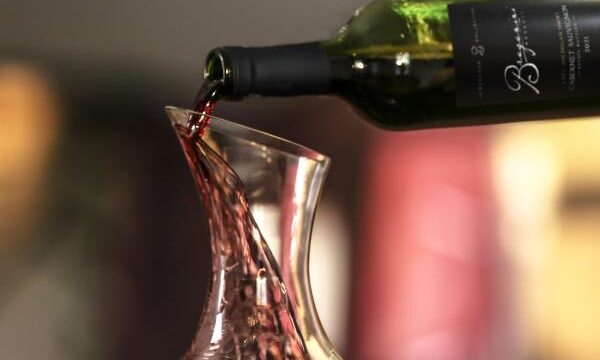
Did you know that decanting can enrich your wine-drinking experience? When you pour wine from the bottle into a decanter, you give it a breath of fresh air. This exposure to oxygen allows aromas to open up and flavors to come together. As a result, the wine often tastes more expressive and enjoyable.
In addition to aeration, decanting serves several other purposes. These include separating sediment, enhancing presentation, and helping regulate temperature.
Aeration
When wine interacts with air, its flavors and aromas become more pronounced. This process especially benefits younger red wines. Aeration softens tannins and allows the wine to develop a smoother profile.
Separation of Sediment
As red wines age, and in some vintage ports, sediment can form in the bottle. Decanting separates the clear wine from this sediment. This step keeps unwanted particles out of your glass.
Presentation
Decanting also elevates wine service. Pouring from a decanter adds elegance and creates a more engaging experience.
Temperature Regulation
Decanting can help wine reach its ideal serving temperature. This is particularly helpful if the bottle was stored too cool or too warm.
So, how long should you decant your wine to reach its full potential? The answer depends on the wine style.
Red wines typically benefit from 20 minutes to two hours of decanting. Light-bodied reds, such as Braganini Reserve Pinot Noir, only need about 20 to 30 minutes. Medium-bodied reds, including Braganini Reserve Cabernet Franc and Braganini Reserve Merlot, fall in the middle range. These wines often shine after 30 minutes to one hour. However, full-bodied reds like Braganini Reserve Cabernet Sauvignon need more time. In most cases, an hour or longer allows their structure and flavors to fully open.
Red wine is just one part of the picture. Other wine styles follow different guidelines.
White and rosé wines only require decanting when reduction is present. Reduction occurs when aromas seem muted or resemble a burnt match. In these cases, pour the wine into a glass and wait 15 to 20 minutes. You should notice brighter fruit aromas emerge. However, most white wines do not benefit from decanting. Wines like Sauvignon Blanc can actually lose aromatics if left exposed too long, so avoid decanting unless reduction is noticeable.
Sparkling wines rarely need decanting. In very rare situations, such as with grower or small-production Champagnes, brief decanting can help reduce sulfur notes. Even then, limit decanting to 15 to 20 minutes. Otherwise, sparkling wines like Brut Champagne, Sweet Nancie, and Ciao Bolle are best enjoyed straight from the bottle.
If you’re unsure which wines benefit from decanting, stop by one of our tasting rooms. Our wine consultants can help you choose bottles that match your preferences. Whether you enjoy wines that evolve with air or ones ready to sip immediately, there’s always something new to explore.
