1921
The Border City Winery
In 1921, Italian immigrant Mariano Meconi founded The Border City Winery in Ontario, Canada.

1934
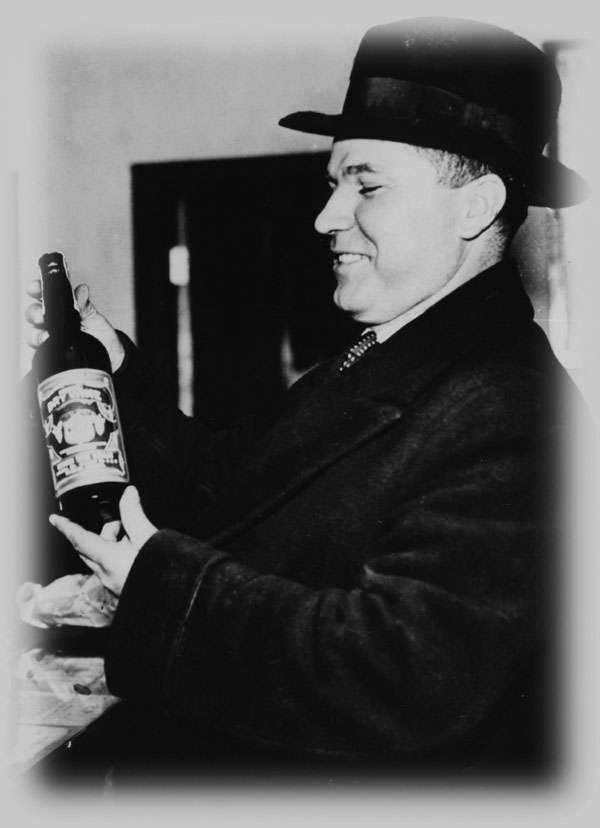
Meconi Wine Company
After prohibition's repeal, Mariano moved himself and the business to Detroit and renamed it the Meconi Wine Company in 1934.
1936
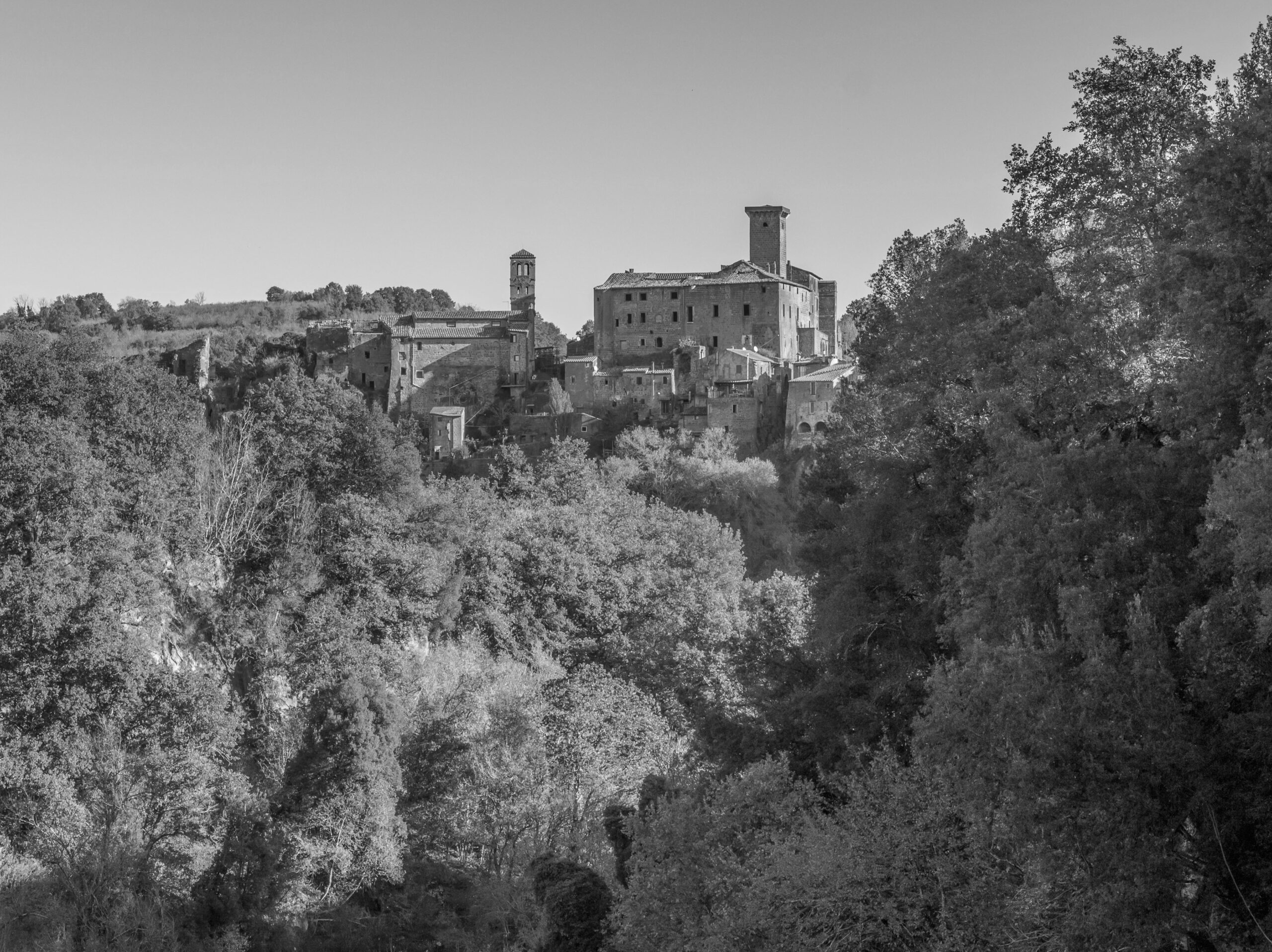
The Italian Wine Co.
Mariano changes the name again—this time to the Italian Wine Co. This name change coincides with a move to our current location in Paw Paw, the former Armor Star facility, in Michigan's premier grape-growing region. The business was Michigan’s 23rd winery.

1941
St. Julian
With the onset of World War II and a rising antifascist sentiment, Mariano changed the name to St. Julian in 1941, after the patron saint of his hometown, Falaria.
1946
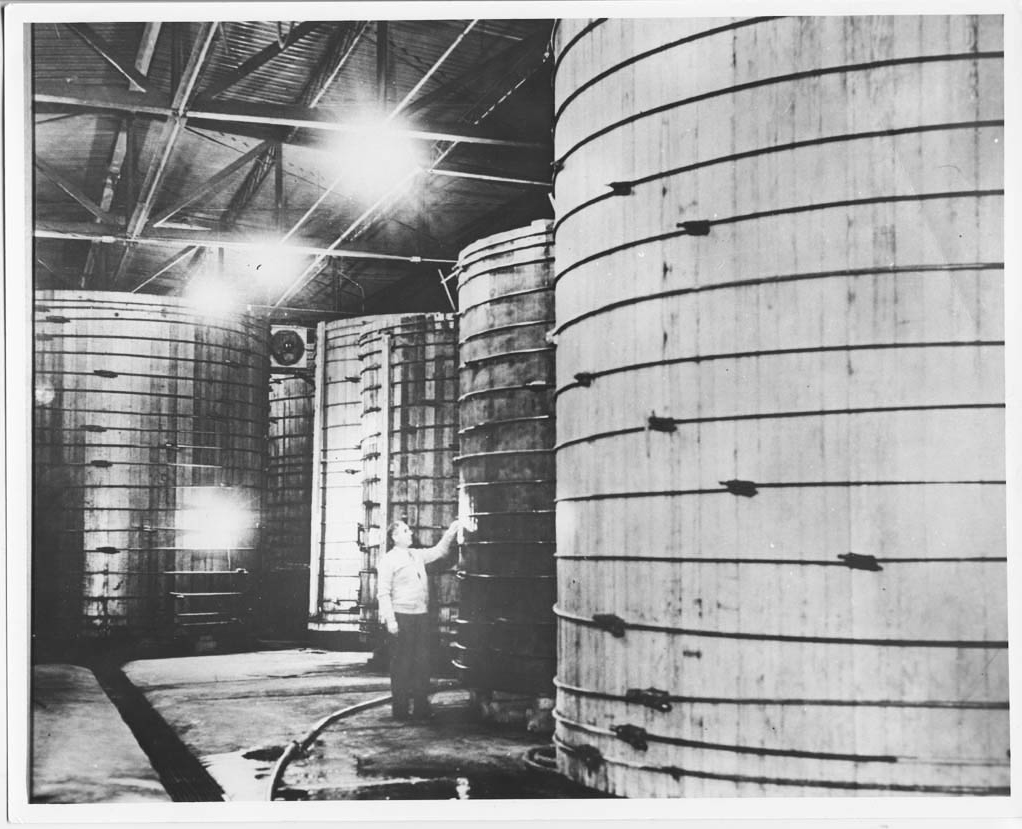
Adding Charmat Tanks
The end of WWII brings much to celebrate! St. Julian continues to pave the way in the Michigan wine industry by adding new Charmat tanks for sparkling wine and alcohol-free juice production.
1949
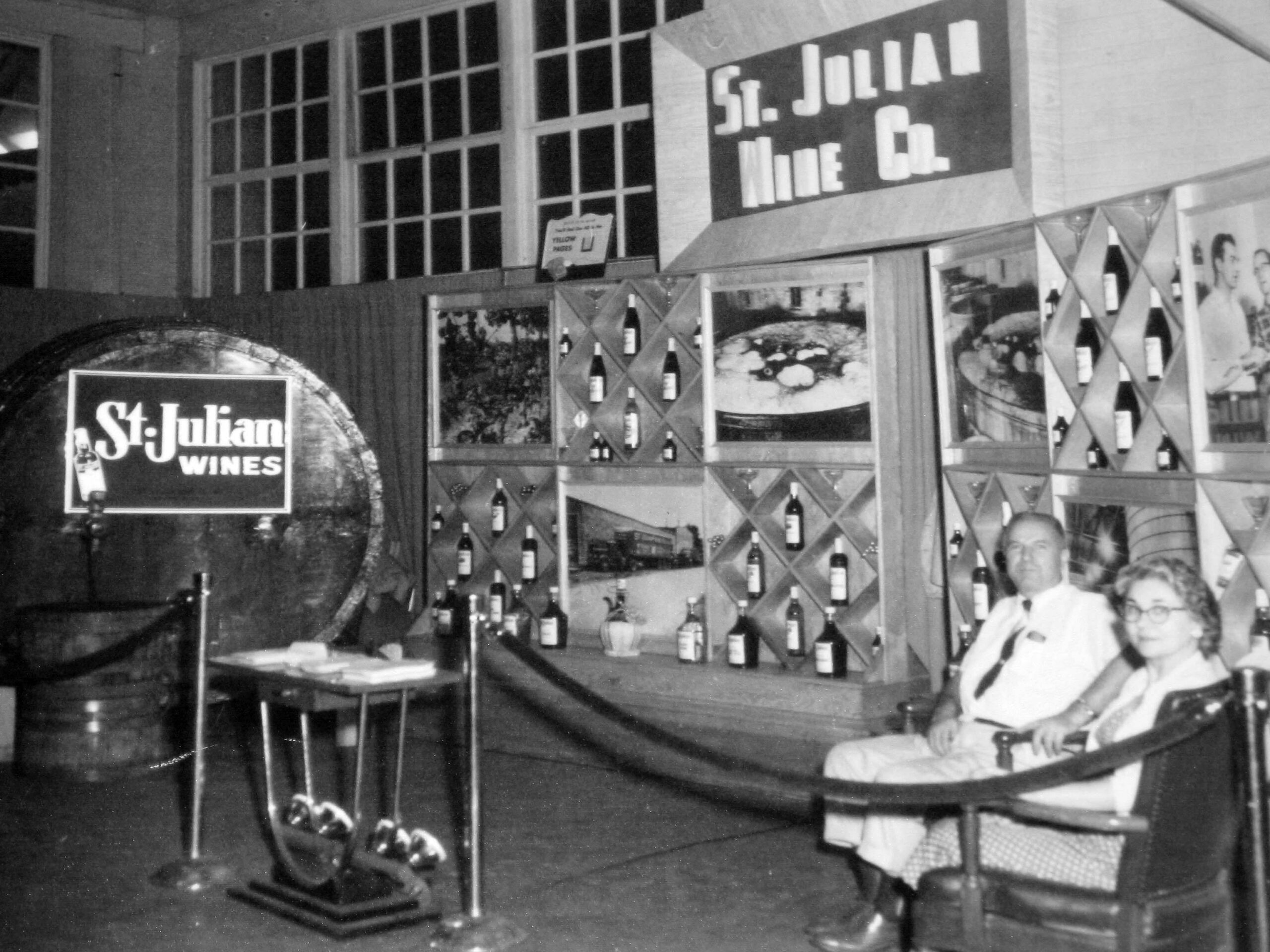
Michigan’s First Tasting Room
St. Julian opens Michigan’s first tasting room, at the winery in Paw Paw. With wine for the parents, sparkling juice for the kids, and tours of the facility, the tasting room—right off the highway—becomes a favorite family stop.
1970
Broadening Local Grape Varieties and Crafting Drier Wines
The consumption of table wine surpasses the consumption of sweet wine for the first time in the nation’s history.
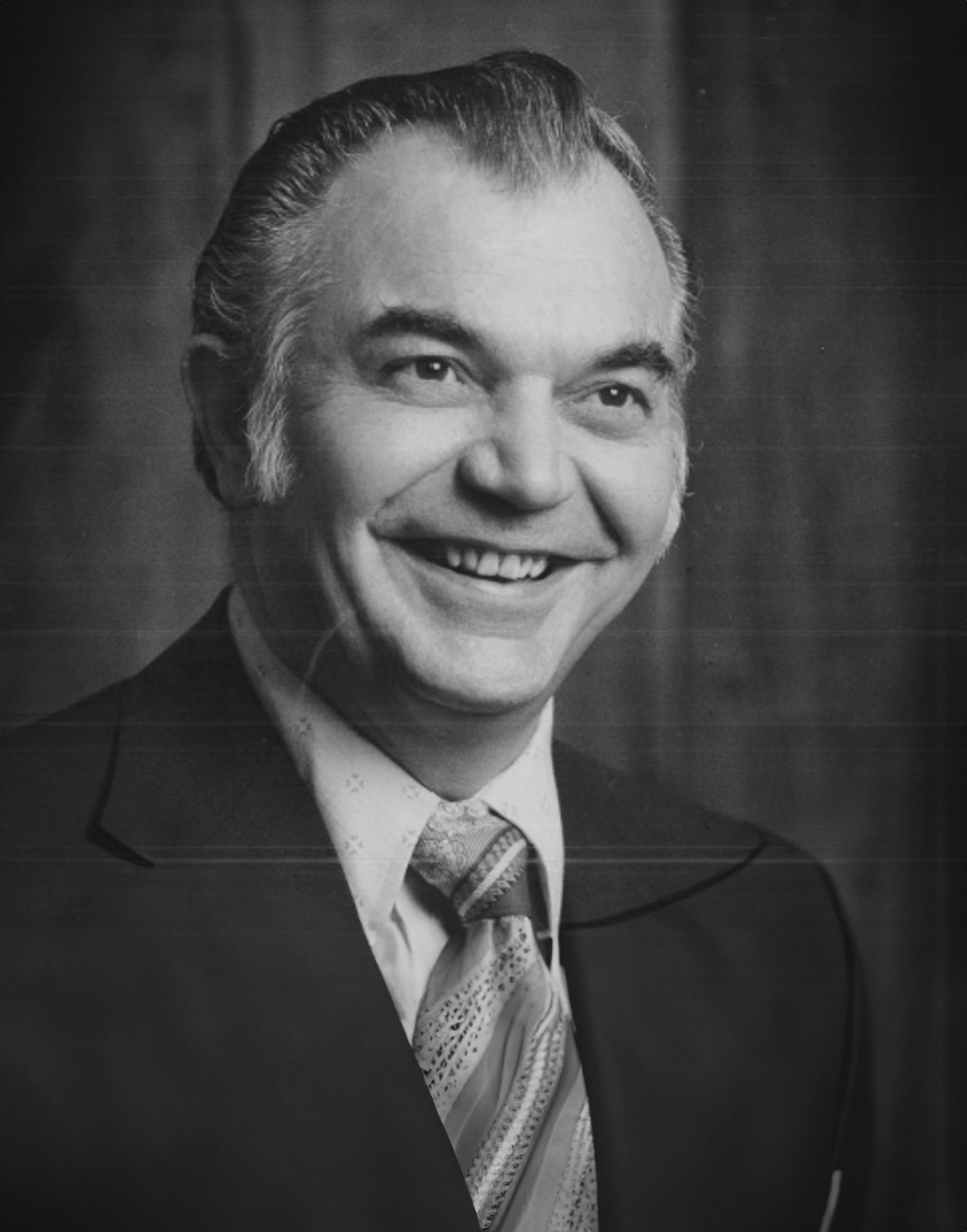
Mariano’s son-in-law, Apollo Braganini, is now the president of St. Julian and recognizes the importance of broadening the grape varieties grown in southwest Michigan.
St. Julian begins a major joint venture with local growers to plant French American hybrid grapes, with the intention of crafting drier wines. These varieties, such as chambourcin, traminette, Vidal blanc, and chancellor were planted to withstand the colder temperature of the Midwest.
1973
The Creation of Solera
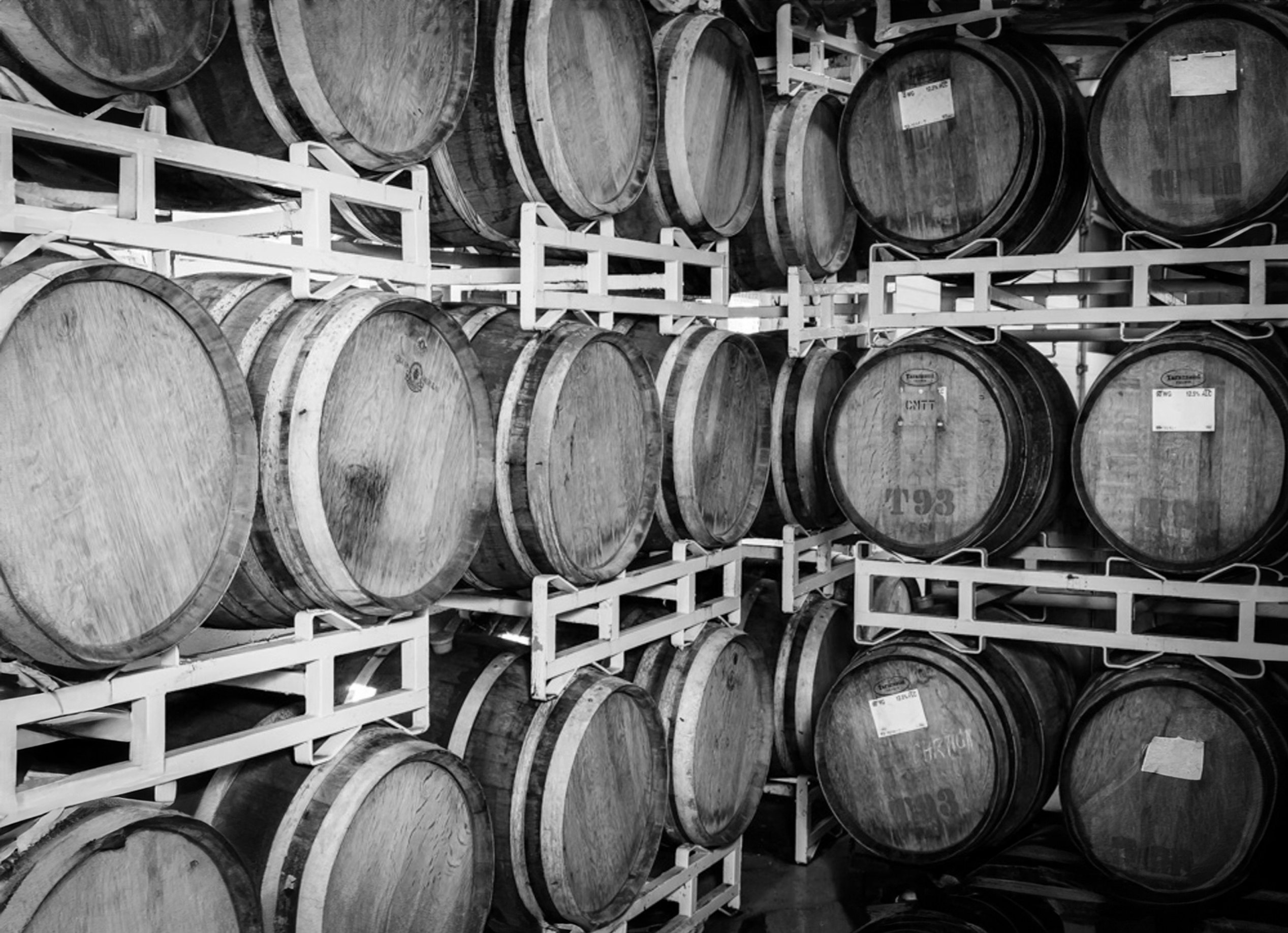
St. Julian’s Solera, a three-tier system, is created to mature our award-winning Sherry. In this traditional aging process, the bottom tier holds wine ready to be bottled. We remove a fraction of this layer from the barrel and replace it with the same amount of wine from the middle tier, blending older and newer wine together. Solera Cream Sherry continues to be St. Julian’s most-awarded product!
1983
A New St. Julian President: Grandson David Braganini
Following Mariano’s death in 1980, the opening of the Frankenmuth Winery in 1981, and Apollo’s retirement in 1983, Mariano’s grandson David Braganini takes over as president of the winery. His passion for St. Julian and Michigan wine propels the entire industry forward. St. Julian is instrumental in the establishment of the Lake Michigan Shore Appellation, the premier grape-growing region in the state of Michigan.

1996
Acquiring the Christian Carl Copper Column Still
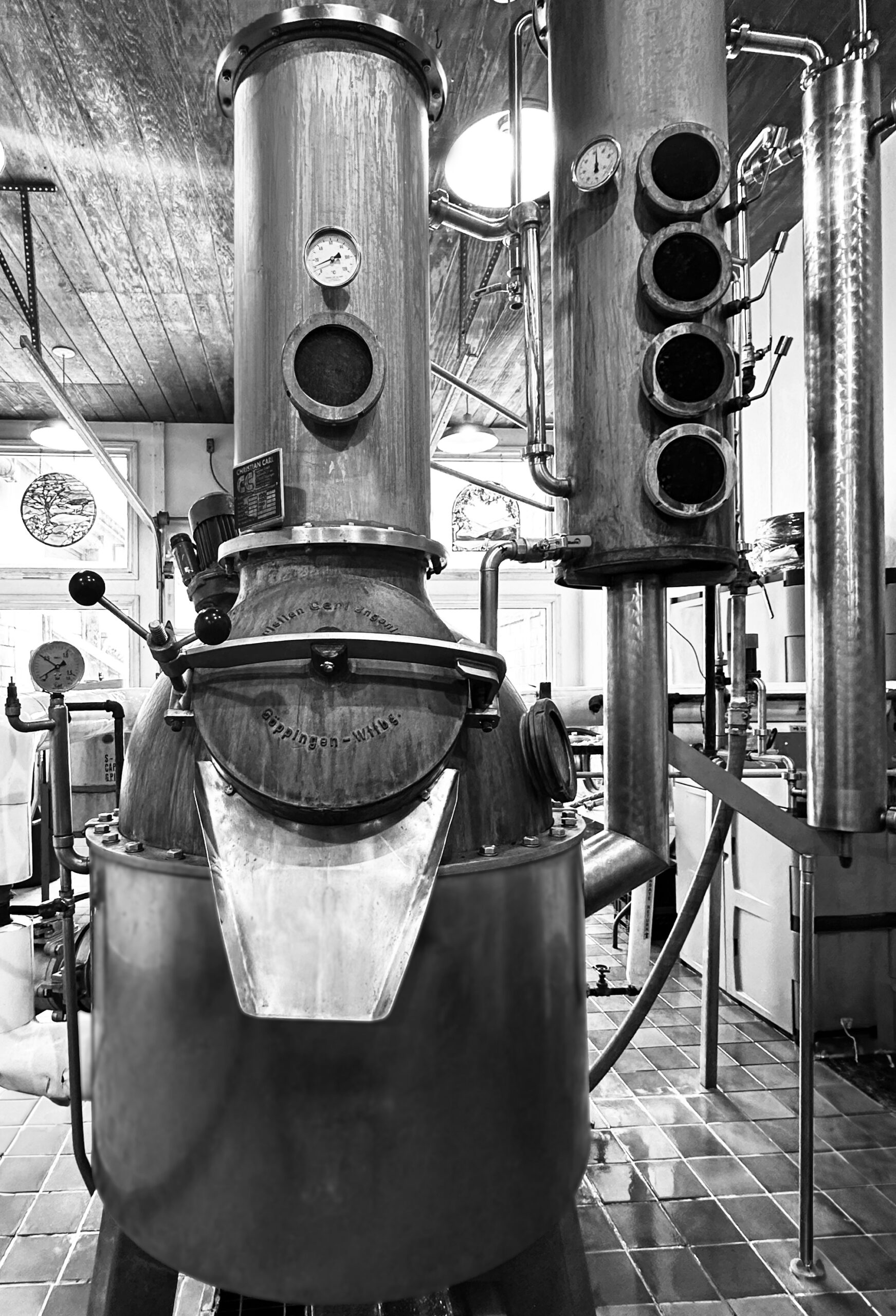
St. Julian’s then cellar master, Larry Gilbert, and president, Dave Braganini, traveled to Germany to learn the art of distillation from still makers, distillers, farmers, and university educators. They tasted their way across the country, learning from the best to bring this craft back to Michigan. The Christian Carl family, the oldest still manufacturers in Germany, became their mentors, willingly sharing their centuries of experience. David and Larry purchased a Christian Carl Copper Column Still, chosen for multiple features that allow us to tailor the perfect blend of aroma and flavor.
1998
Trailblazing as Winery of the Year and Michigan’s First Licensed Craft Distillery
St. Julian is awarded the Tasters Guild International Winery of the Year award, the first-ever winery to receive this award outside of California and France. Impressive, isn't it!
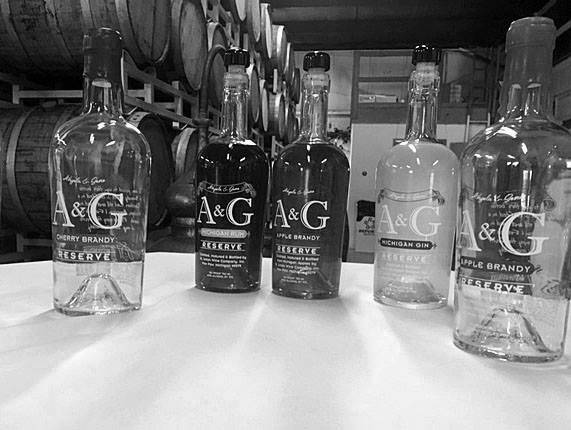
In 1998, we also crafted brandies aged in French Limousin oak barrels and produced and bottled brandy and eau-de-vie under the St. Julian A & G name, beginning our award-winning line of spirits. Soon we added classic and innovative products, like vodka, gin, whiskey, grappa, and fruit-infused brandies.
2002
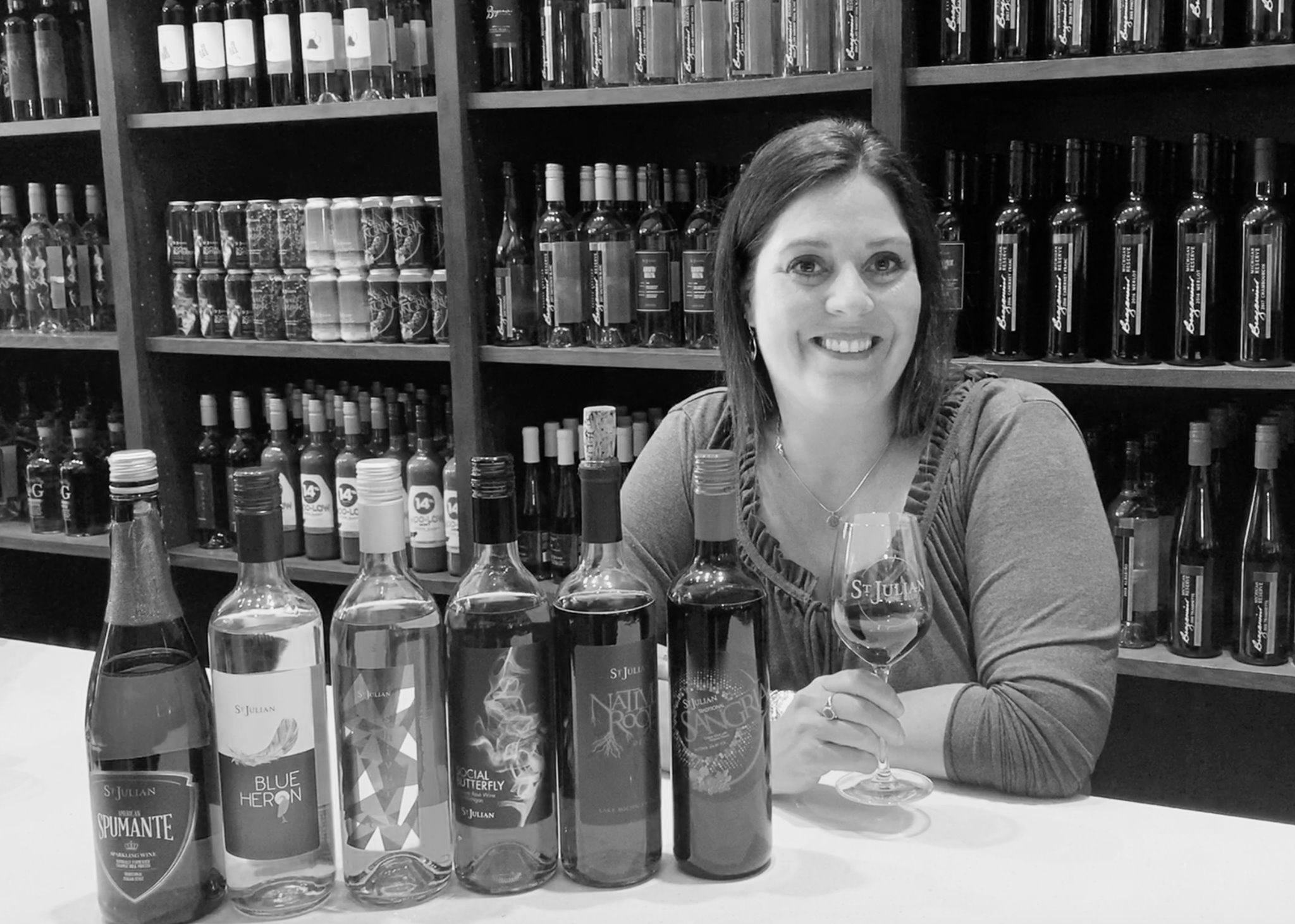
Michigan’s First Female Winemaker
In 2002, Nancie Oxley joined St. Julian as an assistant winemaker and became Michigan’s first female winemaker—another groundbreaking piece of our proud history. She has since become our vice president of winemaking and oversees all spirit production as well!
2007
The Start of the Mountain Road Estate Vineyard
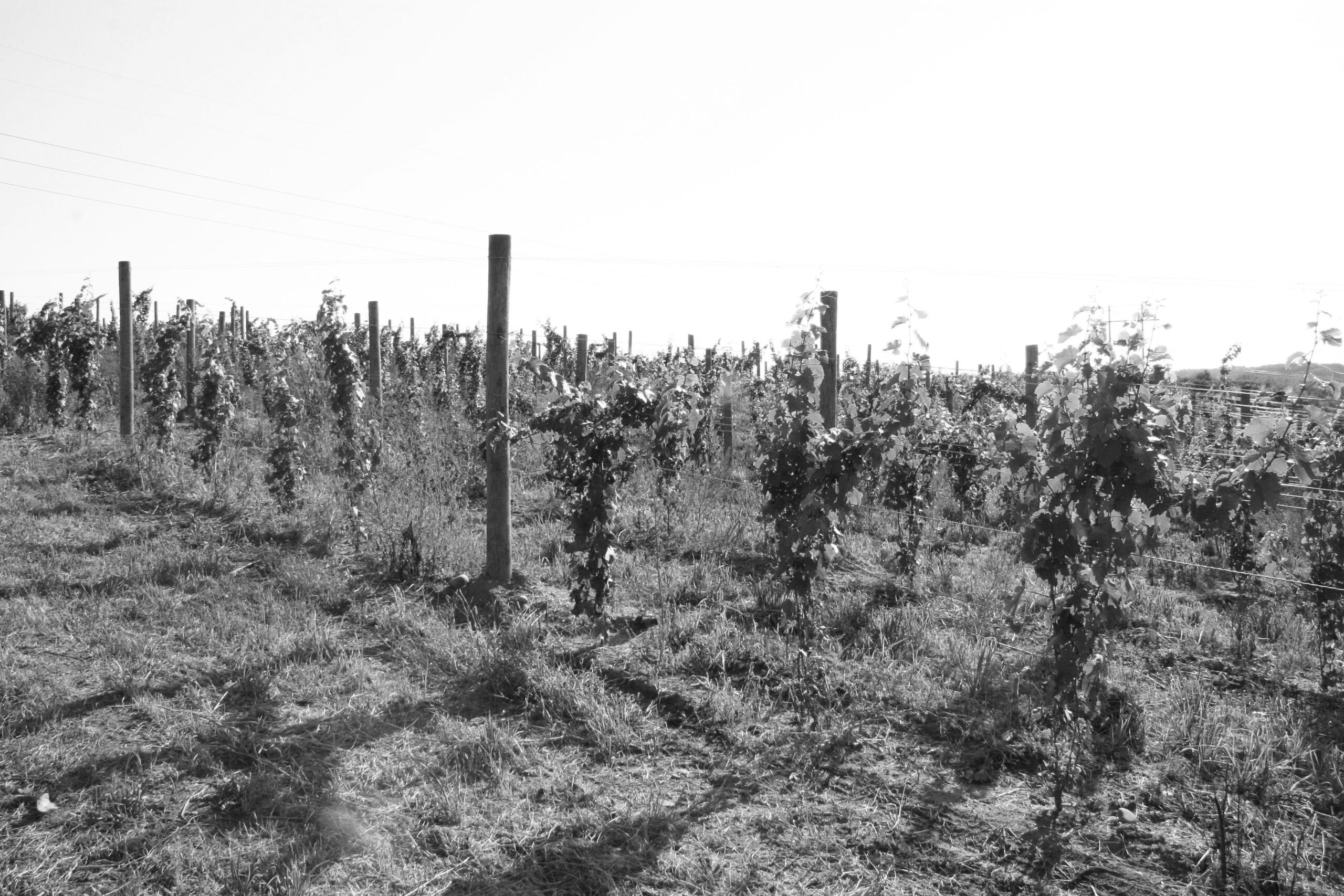
David and his brother, John Braganini, purchase an old 20-acre peach orchard in Coloma, in the heart of the Lake Michigan Shore AVA. This becomes St. Julian’s Mountain Road Estate Vineyard. Here, they plant pinot noir, riesling, cabernet sauvignon, and sauvignon blanc. Eventually pinot gris, syrah, and sangiovese would be added. This vineyard’s wines are some of the most prized and awarded wines from the state.
2016
John Braganini Becomes President of St. Julian
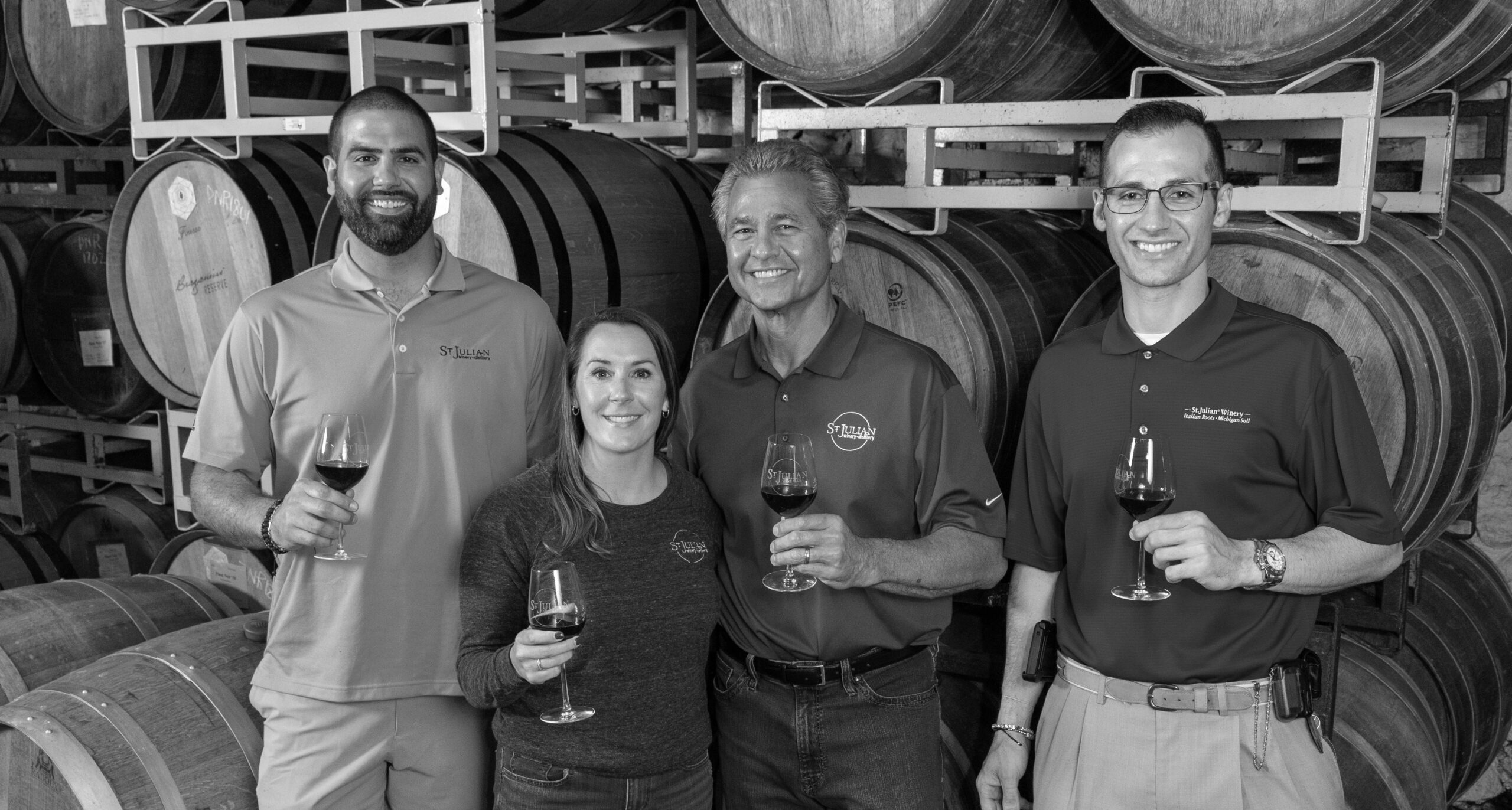
Following David Braganini’s death, John takes over as St. Julian’s president. Under his direction, St. Julian continues to grow and push the envelope on what makes great Michigan wine. St. Julian remains a family-run winery, with John’s wife, Sarah, and sons, Apollo and Dario Braganini, taking on integral responsibilities.
Today
The St. Julian name has stood the test of time. Today, the winery and distillery remain in the same family, now led by Apollo Braganini II—great-grandson of Mariano and a fourth-generation family member.
Cheers to the next 100 years!
History lives on in our Paw Paw Facility
Awards Wall
As the most awarded winery in Michigan, we’re proud to start every tour showing off many of our thousands of awards. Our most-recent awards are featured at our Paw Paw facility.
Hopper
Our facility features a large hopper with an auger in the middle of it. During harvest, the grapes get dumped into it before coming into the winery. From the hopper, all grapes—except those that are whole-cluster pressed—go through the crusher/de-stemmer, where spokes knock grapes off the stems.
Membrane Press
After the crusher/de-stemmer, fruits go into one of three presses. Inside the membrane press, a large bladder-like balloon expands with air and pushes the grapes to the outer edge of the machine, squeezing the juice from them. We use the juice to make the wine.
Harvest Board
Our harvest board boasts stats from the past year. On average, St. Julian brings in about 3,500 tons of grapes every year—that’s 7 million pounds! Harvest begins late August and can continue deep into November, to help achieve sweeter grapes. Working with over 60 grape varieties keeps our seasons fast paced!
Nancie’s Office and Lab
Near the harvest board is Nancie Oxley’s office and lab which is one of the most advanced labs in the Midwest. Here, our winemakers constantly test our products, checking pH levels, residual sugar (RS), volatile acidity—you name it, we test it!
Dark Spirits
Our dark-spirits cellar used to house our white wines. With cork-insulated walls—originally functioning as an ice house—this cellar stays consistently 50–60℉ year round, keeping our product consistent.
Distillery
In our distillery, we make our St. Julian reserve line of spirits, which includes rum, gin, grappa, limoncello, bourbon, flavored brandy, our 10-year reserve brandy, and so many more. In the 1990s, our cellar master brought our Christian Carl Copper Column Still back from Germany, providing the most-neutralized option in distilling.
Stainless Tanks
Aside from oak barrels, we also age wine in stainless steel tanks. Our winery has a capacity of over 1 million gallons. Tanks with tiny dimples on them, cooling jackets, allow us to regulate the fermentation temperature.
Bottling Line
Our bottling line can fill about 120 bottles per minute, which is around 3,800 cases per day. Bottles get cleaned, sanitized, and filled. Just before capping, each bottle gets a drop of liquid nitrogen, pushing out all the oxygen, to keep the wine as fresh as possible. Bottles get capped or corked, foiled and/or labeled, packed, and then cased! Did you know that screw-on caps are actually more expensive to produce and apply, and they keep the wine fresher? It’s a common misconception that caps and corks reflect wine quality. Plus they’re way easier to open! Corks, however, provide aeration, letting oxygen into the bottle, which allows the wine to continue aging over time—but they can leak. We choose the best option for each of our wines.
