If you’ve ever strolled through a vineyard in Southwest Michigan’s Lake Michigan Shore AVA, you’ve experienced a lively, ever-changing landscape where nature unfolds from spring bud break to summer ripening. This seasonal journey showcases vineyard growth, grape development, and the unique charm of Michigan wine country. So, let’s take a closer look at what happens in the vineyard from spring into summer.
Springtime: Nature’s Wake-Up Call
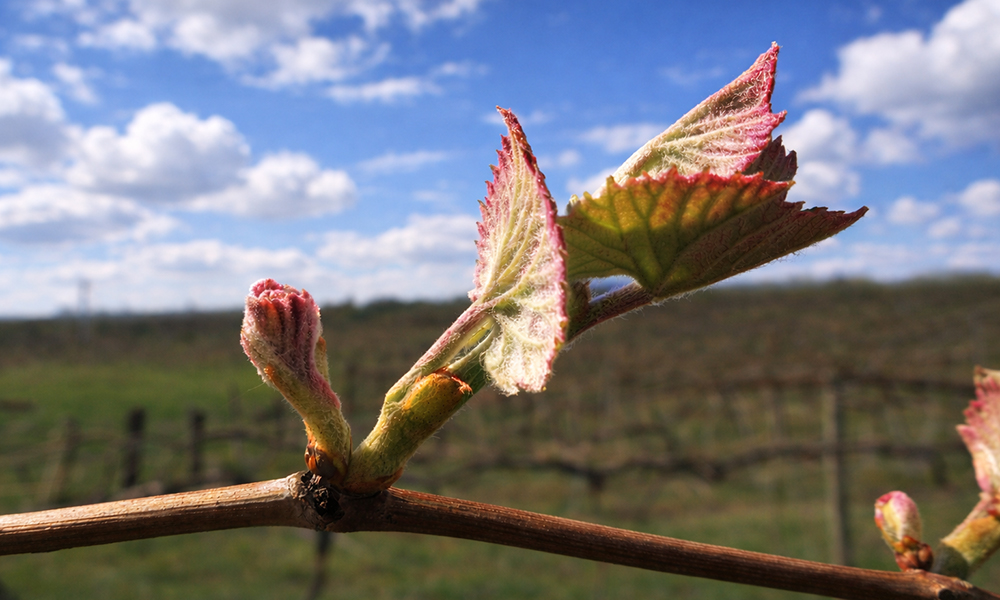
As winter fades, vineyards in Southwest Michigan come back to life. In early spring, vineyard crews watch as tiny green shoots emerge from dormant vines. This stage, known as bud break, signals the start of the growing season.
At the same time, weather conditions play a critical role in vineyard success. Warm days paired with cool nights support healthy vine growth. However, vineyard managers stay alert and actively protect vines from late spring frosts, which can damage delicate new shoots.
The Spring Show: Flowering and Fruit Set
As spring progresses, vines begin flowering. Small white or greenish blooms open and attract pollinators like bees. Soon after, pollination leads to fruit set, when tiny grape berries begin to form.
During this crucial stage, vineyard teams carefully manage the vines. For example, they prune, position shoots on trellises, and maintain proper sunlight exposure and airflow. As a result, the vines develop stronger, healthier grape clusters that set the foundation for a successful harvest.
Summer: The Growing Season Intensifies
Once summer arrives, grape development accelerates. Clusters expand quickly, transforming from small berries into plump, juicy fruit. Meanwhile, the warm Michigan sun drives sugar production and flavor development in the grapes.
In addition, vineyard crews closely monitor soil moisture and vine health. They adjust irrigation when needed and manage the canopy by trimming leaves. This not only improves sun exposure but also increases air circulation, which helps reduce disease pressure and encourages even ripening.
As the season continues, grapes enter veraison, a key stage when they change color. Green grapes shift to purple, red, or golden hues depending on the variety. This transformation marks one of the most visually striking moments in the vineyard.
Late Summer: Sampling and Anticipation
By late summer, vineyards buzz with activity and anticipation. Grapes approach peak ripeness, and harvest season draws near. At this point, winemakers regularly sample fruit and track sugar levels, acidity, and flavor development to determine the ideal harvest time.
Importantly, all of this takes place in the Lake Michigan Shore AVA, where cooling lake breezes and sandy soils shape the final character of the wine. These conditions help produce grapes with bright acidity and balanced flavors, which define many Michigan wines.
From Vine to Glass
Ultimately, the transition from spring to summer in Southwest Michigan vineyards represents a season of renewal, growth, and transformation. From early bud break to ripening grapes, each stage plays a vital role in crafting high-quality wine.
So, the next time you enjoy a glass of Michigan wine, consider the journey those grapes took, from spring growth to summer ripeness, right here along the Lake Michigan Shore AVA.
