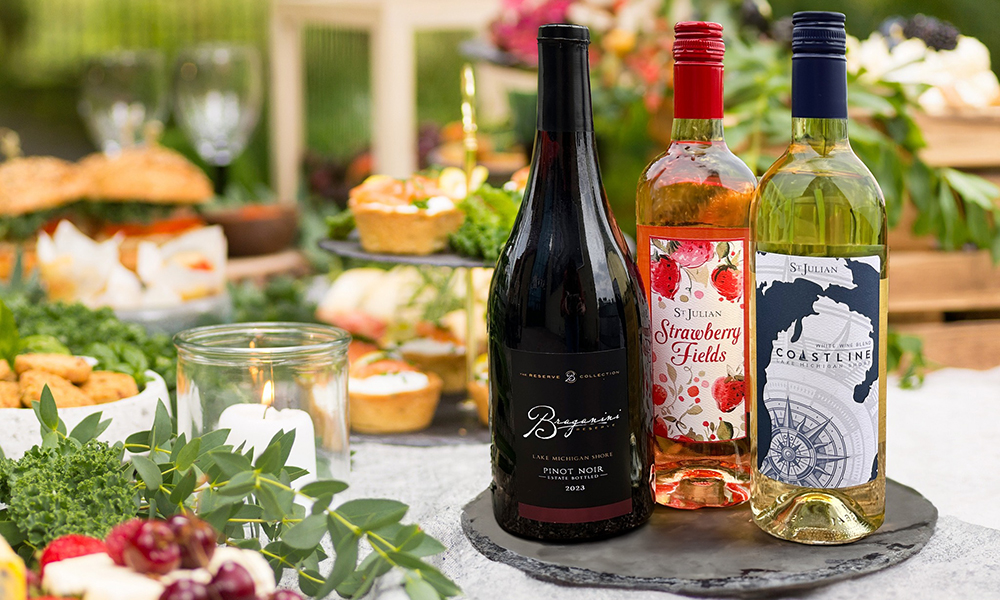
When it comes to enhancing our dining experiences, the art of food and wine pairing stands out as a timeless tradition that engages the senses and elevates flavor profiles. Whether you’re hosting an intimate dinner party or enjoying a quiet night at home, understanding the basics of this culinary harmony can transform even the simplest of meals into memorable occasions.
From robust reds that complement hearty dishes to crisp whites that offer a refreshing contrast, the right wine can accentuate the unique characteristics of food, creating a delightful balance that captivates the palate. In this article, we’ll explore some fundamental principles of food and wine pairing, offering tips and suggestions to help you elevate your culinary adventures with perfect pairings.
Understanding the fundamentals of flavor pairing is relatively straightforward, though it can be challenging to execute successfully. Here are five profiles to consider when matching food and wine!
Acidic Foods
Acidity plays a crucial role in food and wine pairings, impacting the overall flavor experience. When selecting a wine, it’s essential to consider the acidity levels in both the food and the wine for a harmonious match. One approach is to pair acidic wines with acidic dishes, as a lower-acid wine may taste flat alongside them. Try wines like a Riesling, Albariño, or Pinot Noir.
Fatty Foods
When enjoying fatty foods, consider pairing them with an acidic, high-tannin, or high-alcohol wine. Acidic wines, like sparkling Champagne, can cut through richness and enhance flavors. Alternatively, a higher ABV wine can encourage slower eating, allowing you to savor your dessert longer. Give it a try!
Bitter Foods
The bitterness in certain foods, such as dark leafy greens, coffee, or dark chocolate, can be beautifully balanced with the right wine choice. To enhance this pairing, look for wines that have a touch of sweetness or fruity notes, which can counteract the bitterness and elevate the flavors. When enjoying dark chocolate, consider a bold red wine like a Cabernet Sauvignon or a sweet dessert wine to provide a luxurious contrast.
Sweet Foods
When pairing wine with sweet dishes, choose options that match the sweetness for balance. Lighter desserts like fruit tarts or sorbets shine with a refreshing Riesling, while richer treats, such as chocolate or cheesecake, are enhanced by full-bodied wines like Port. Don’t hesitate to experiment; sweeter foods can also pair well with drier wines. For instance, a salted caramel dessert can be delightful with a dry sparkling wine like our Braganini Reserve Blanc de Blanc, balancing sweetness and acidity beautifully.
Salty Foods
For savory options like cured meats, salty cheeses, or olives, white wines with bright acidity, such as Pinot Grigio or Champagne, work wonderfully. The acidity helps to offset the salt, cleansing the palate and highlighting the dish’s intricate flavors. If you prefer red wines, look for lighter-bodied varieties like Pinot Noir or Gamay. Their fruit-forward profiles and moderate tannins can beautifully complement salty dishes without overwhelming them.
At the end of the day, it’s important that you pair your food with wine that you’ll actually enjoy. If you usually don’t do white wines, you probably won’t like a glass of it with food. Stick to what you enjoy and branch out from there.
If you are still unsure what wine is the best option stop by one of our tasting rooms! Our expert wine consultants are here to assist you in selecting the perfect bottles to bring home. Explore a delightful array of wine choices that pair beautifully with any meal or snack you’re enjoying.
